GCC and the Middle East use a variety of vessel types for chartering. Each vessel offers unique capabilities for trade needs and cargo movements. Let us understand the strengths and applications of each vessel type and help customers, such as importers, exporters, industrial buyers, gas firms, and others, choose the right charter. Below are the main vessel types commonly chartered in the region.
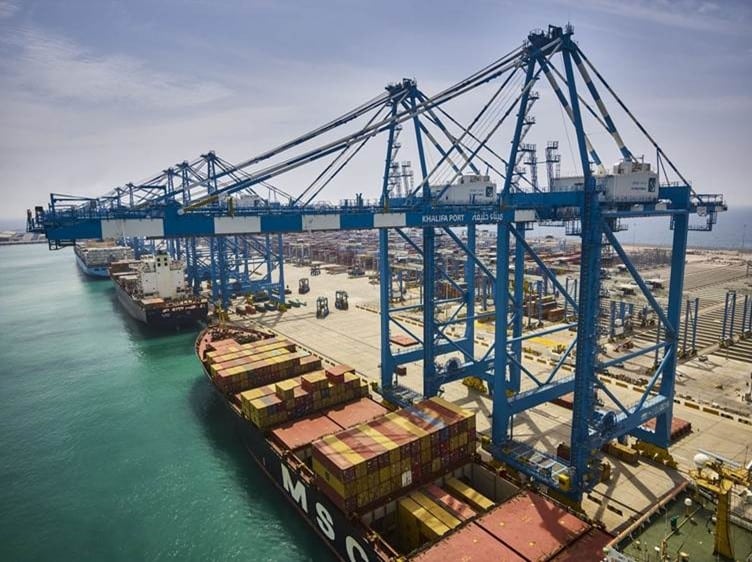
Container Ships
Why are they chartered: Container ships are used for general trade like manufactured goods, consumer goods, electronics, furniture, textiles, and much more. Containerization enables efficient loading/unloading, reduces warehouse requirements at ports, and supports higher transit volumes.
What do they carry: Standardized ISO containers (reefers, flat racks for oversized cargo, 20ft, 40ft, high cube, tank containers for gases/ liquids, etc.)
Typical uses in GCC/ Middle East: Container ships are the backbone of import and export trade connecting different regions to Asia, Africa, Europe and beyond. Container ships are ideal for liner service clients needing reliable and scheduled shipments.
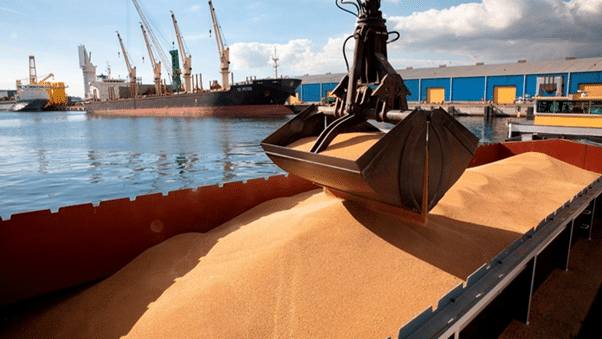
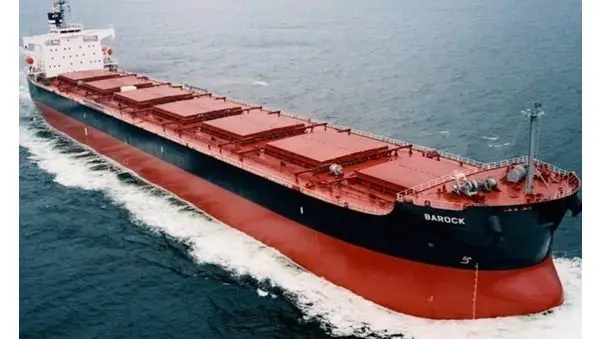
Bulk Carriers (Dry Bulk)
Why are they chartered: Bulk carriers often have large, multiple cargo holds, optimized for maximum tonnage. As these are not containarized, bulk carriers are cost-effective for transport.
What do they carry: Unpackaged bulk commodities like coal, ores, minerals, fertilizers, grains, and raw materials. Typically, heavy or high-volume goods have a relatively lower volume per ton.
Typical uses in GCC/ Middle East: GCC nations and nearby markets import or export raw materials, grains, construction materials, minerals and more. Bulk chartering remains important for large-scale industrial or agricultural supply chains.
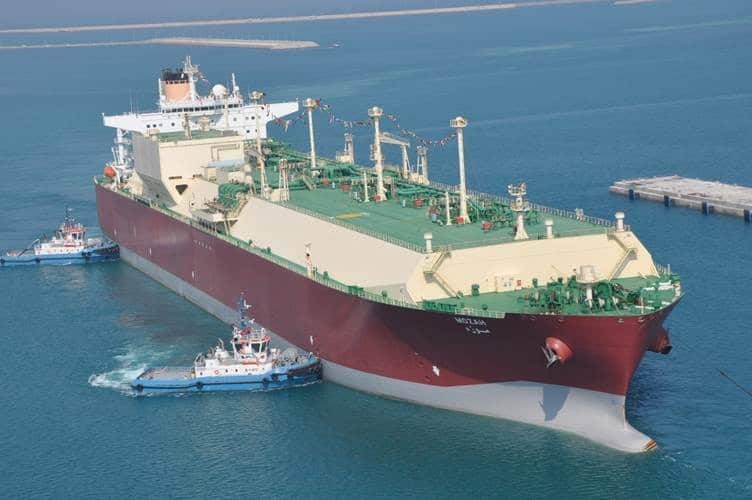
The tanker category is vast, depending on the cargo, different needs are met.
Liquefied Gases: Specialized vessels are designed to transport liquefied gases under specific temperatures and pressure conditions. For example, LPG or LNG. These are essential for energy trade in or through the Middle East.
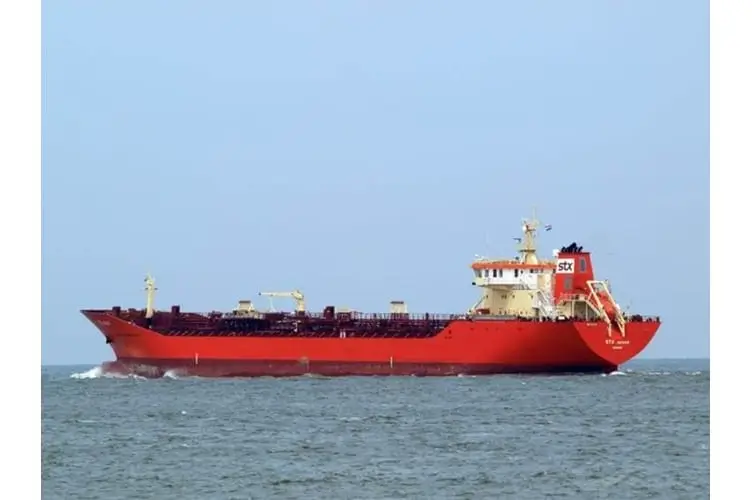
Crude Oil and Product Tankers: These tankers transport refined petroleum products, such as diesel, jet fuel, and gasoline, as well as crude oil. Some tankers also transport heavy fuel oil, asphalt and lubricants.
Chemical Tankers and Product Chemical Carriers: These vessels are used for transporting edible oils, industrial liquids, chemicals, and other materials that require specialized tanks (such as stainless steel or coated tanks) for safe transportation.
Why are they chartered:
Gas carriers like LPG and LNG are critical for the export of gas, fuelling markets, or meeting energy demands in importing countries.
The Middle East remains a major crude oil and gas exporting region.
Product tankers and chemical carriers serve the petrochemical industries, refineries and distributors operating in the Middle East or exporting globally.
Specialized & Multipurpose Vessels
Beyond the standard cargo and tanker ships, the Middle East charter market frequently also uses specialized vessels, particularly for niche cargo and project-based requirements:
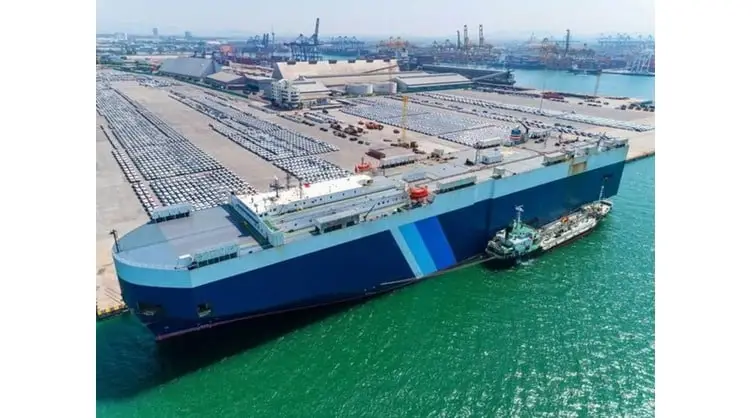
Ro-Ro Vessels: These vessels are designed for wheeled cargo, such as trucks, trailers, cars, and heavy machinery. The cargo is driven on/off via ramps instead of cranes, making loading/offloading efficient and suitable for vehicle imports and exports. Passenger transport on RoRo vessels is growing in the Middle East due to their ability to carry travellers along with their vehicles.
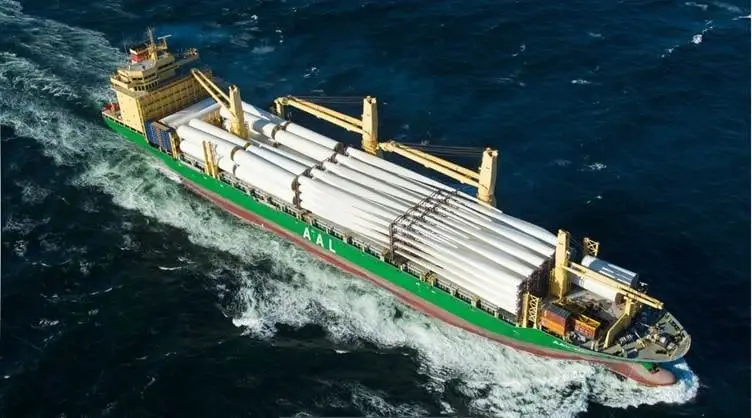
Multiple or General Cargo Ships: These vessels are meant for non-containerised cargo such as steel coils, machinery, project cargo, break-bulk loads, and timber. They are often equipped with onboard cranes, enabling them to operate at ports that lack the infrastructure.
Livestock or Specialized Carriers: Though less frequent, these are used for transporting live animals or specialized cargo that require custom conditions like feed/ water, ventilation, separated decks, etc.
Heavy-Lift / Project Cargo Vessels (including Semi-Submersible / Float-On/Float-Off types): These are used for heavy, unusually shaped cargo like construction equipment, industrial components or oversized cargo; even other vessels or yachts. It is key for specialized industrial, construction or offshore projects.
For mixed vehicle and passenger movement,
The Role of RoPax Vessels in Modern Shipping
explains how RoRo and RoPax vessels are increasingly deployed across the GCC to support automotive flows and mobility-linked trade.
How Vessel Types Impact Chartering in the Middle East/ GCC
The Middle East, especially the GCC, is a strategic hub for bulk commodity trade, energy exports, containerized import and export, movement of heavy equipment for oil and gas projects, infrastructure, and diversified industrial activities. This means:
RoRo vessels serve the automotive trade, including the import of cars, trucks, and heavy machinery, as well as logistics requiring wheeled cargo movement.
Bulk carriers and container vessels smooth trade in raw materials, industrial inputs, industrial supplies, consumer goods and construction inputs.
Demand for tankers (LNG/ LPG, chemical, crude oil) is always in demand due to the energy sector.
Multipurpose Vessels support non-standard cargo, infrastructure development and heavy machinery structures.
For a service provider or a chartering operator, offering a diverse fleet to different vessel types, catering to a wide variety of client needs, from energy firms to industrial buyers, project-based cargo, importers/ exporters, etc.
How to Select the Best Vessel for Your Cargo
If you’re evaluating charter options in the region,
Understanding Vessel Chartering Services in Saudi Arabia
breaks down how vessel selection, charter structures, and local operating conditions influence cost exposure, compliance obligations, and voyage planning decisions.
The right vessel choice depends on several factors:
Nature of Cargo: Is it containerized goods, raw materials, liquid (oil/ gas, chemicals), heavy/ project cargo, vehicles, or a combination?
Volume: For large volumes, bulk carriers, ULCC/VLCCs, and heavy-lift vessels may be suitable. However, for smaller loads, general cargo or multipurpose vessels might be cost-effective.
Port Infrastructure/ Access: Not all vessels can be “called” at the port. Vessels like ULCCs or VLCCs may require offshore terminals. Heavy lift or multipurpose vessels may require ports with special handling facilities or cranes.
Safety Regulations: Transporting chemicals, LNG, or sensitive cargo requires specialized vehicles like chemical tankers, gas carriers, and compliance with safety and environmental regulations.
Flexible Needs: Container ships may run on liner schedules, while bulk or tanker charters may be on a time charter or voyage charter basis, depending on cargo flow.
As a chartering service provider, Bassam Shipping Company manages different vessel types, from standard container ships to specialized gas carriers and heavy lift vessels, which can give you a competitive advantage. We become a one-stop solution for all our clients.
Why Chartering Expertise Matters in KSA and GCC
Given our focus on KSA and the broader GCC region, our chartering clients include:
Industrial and infrastructure companies importing construction materials, bulk materials, machinery and more.
Exporting crude oil, LNG/ LPG.
Automotive or heavy machinery imports need cargo or passenger transport services.
Project-based clients requiring heavy lift or multipurpose vessels for large equipment transport.
Trading companies handling containerized consumer goods, re-exports, or raw materials.
As each vessel type has unique operation, regulations and logistical requirements, from port sustainability to cargo handling, your chartering expertise becomes critical. By correctly advising clients on vessel selection, compliance, voyage planning and efficient logistics, our services can add real value. For further information, contact us at mustufa@bassamshippingsa.com